

Quartz vs. Natural Stone Countertops: What Is the Difference?
Selecting the perfect surface material remains one of the most critical decisions when designing modern kitchen and bathroom spaces. Homeowners often find themselves comparing engineered quartz surfaces with organic geological slabs like granite, marble, and quartzite during renovation planning. Both options deliver distinct aesthetic appeal, varying maintenance demands, and unique durability profiles for busy households. Understanding how manufactured mineral composites differ from earth-mined slabs helps property owners choose materials that align with their personal lifestyle preferences. Exploring these key differences empowers buyers to make confident, well-informed choices that enhance daily kitchen functionality, elevate indoor aesthetics, and add lasting value to home interiors.
Comparing Material Composition Through Sourcing Methods
Engineered quartz consists of crushed natural quartz crystals bound together with polymer resins, pigments, and synthetic binding agents during factory manufacturing. In contrast, geological slabs are quarried directly from earth deposits, cut into thick blocks, and polished into individual finished surfaces. Understanding these production techniques helps consumers evaluate how structural uniformity and mineral density differ across each surface type. According to the 2025 U.S. Houzz Kitchen Trends Study, the vast majority of homeowners upgrade their countertops (91%). Evaluating manufacturing processes against raw geological extraction allows homeowners to select options that match their desired aesthetic consistency, structural performance, and personal design expectations effortlessly.
Examining Surface Porosity During Daily Kitchen Spills
Non-porous engineered quartz features a completely smooth surface that prevents liquids, oils, and deep food stains from penetrating internal layers. Organic slabs like granite, marble, and limestone contain microscopic pores and tiny channels that naturally absorb spilled coffee, juice, or wine if left uncleaned. Choosing natural stone countertops requires accepting that periodic liquid spills can quickly discolor untreated surfaces over time. Sealed surfaces resist fluid absorption much better, but engineered composites provide inherent protection without requiring initial chemical treatments. Selecting non-porous surfaces reduces overall maintenance worries, keeping kitchen workspaces clean, stain-free, and hygienic throughout busy daily cooking routines.
Analyzing Maintenance Needs Over Extended Timeframes
Routine upkeep varies significantly between factory-engineered minerals and quarried rock surfaces across several years of continuous household use. Engineered quartz requires simple daily cleaning using mild soap and warm water without needing specialized surface treatments or protective coatings. Conversely, maintaining natural stone countertops demands applying penetrating sealants annually to preserve water resistance and shield porous minerals against accidental staining. Skipping routine sealing treatments leaves organic rock vulnerable to permanent discoloration, dull surface etching, and deep acid damage. Evaluating your willingness to perform ongoing chemical maintenance helps determine whether low-maintenance engineered quartz or traditional organic rock best fits your lifestyle.
Evaluating Heat Resistance Under Hot Cookware
Natural geological slabs withstand intense temperatures extremely well due to their formation under extreme subterranean heat and pressure over millennia. Placing hot pans, roasting sheets, or boiling kettles directly onto granite or quartzite surfaces rarely causes physical damage or discoloration. However, engineered quartz contains synthetic resin binders that can melt, scorch, or discolor when exposed to sudden, intense heat sources above three hundred degrees Fahrenheit. Installing natural stone countertops provides superior heat resistance for enthusiastic home chefs who regularly move hot cookware directly from cooktops onto counters. Using protective trivets remains necessary when handling hot pots on engineered surfaces.
Assessing Color Uniformity Across Large Slabs
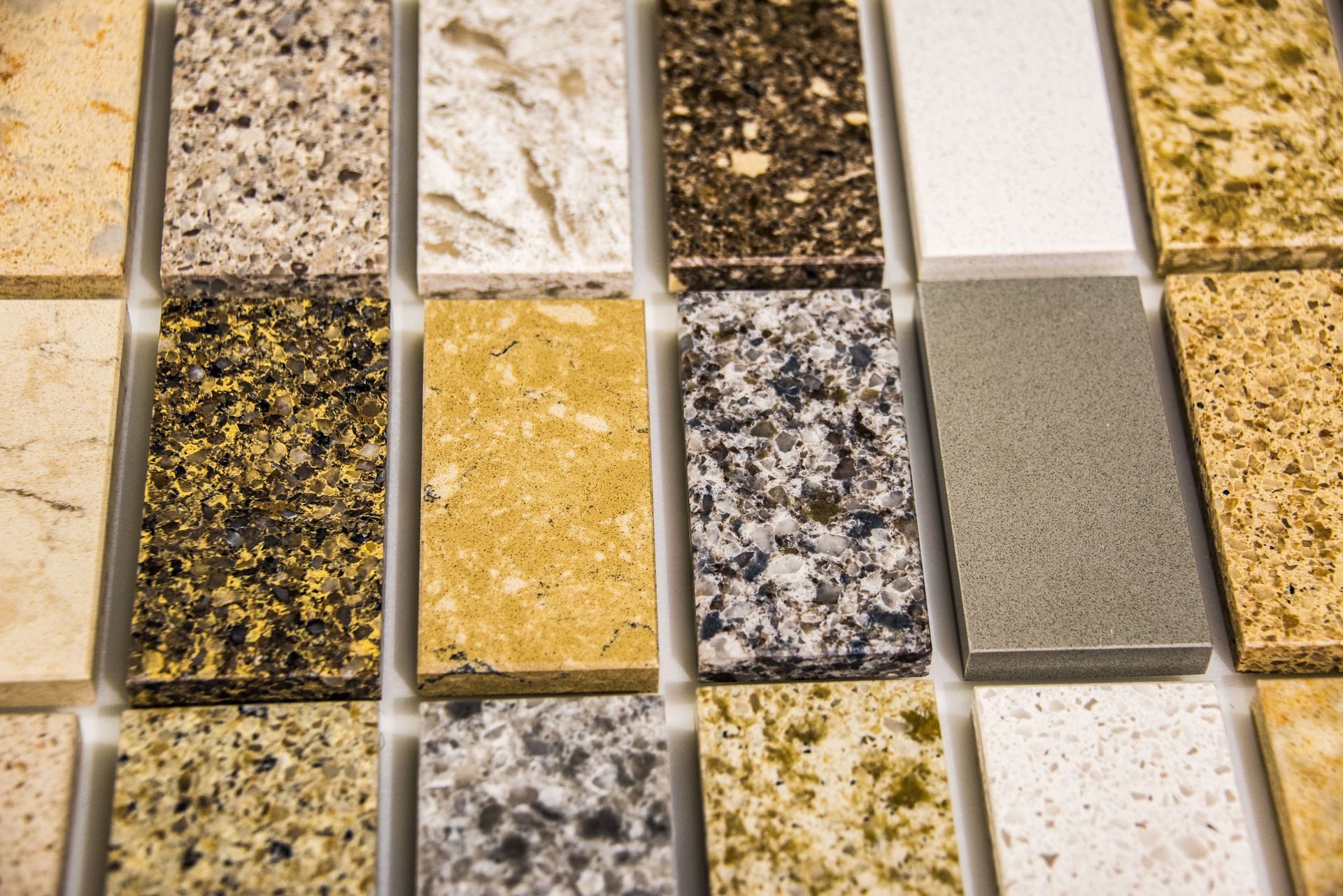
Factory manufacturing allows engineered quartz producers to create highly consistent patterns, uniform color distributions, and predictable design styles across multiple matching slabs. Quarried rock slabs display unique vein patterns, mineral flecks, and natural color variations crafted by geological forces over millions of years. Choosing natural stone countertops means accepting that no two cut slabs will ever appear identical within a single kitchen installation. Homeowners seeking sleek, contemporary uniformity often favor engineered materials, whereas individuals appreciating organic artistic unpredictability prefer earth-mined rock. Comparing visual consistency across large slab layouts ensures your finished kitchen matches your overall interior design vision seamlessly.
Reviewing Overall Durability Through Impact Resistance
Both surface types offer exceptional structural strength, but their resistance to chipping, cracking, and surface scratching differs under heavy everyday impact. Flexural strength provided by synthetic resin binders makes engineered quartz somewhat more flexible and less prone to edge chipping during severe impacts. Quarried rock surfaces remain exceptionally hard, yet rigid mineral structures like marble can crack or chip if heavy objects strike sharp outer edges. Selecting natural stone countertops delivers incredible scratch resistance against sharp knives, though softer varieties like soapstone require careful handling. Evaluating household activity levels helps determine which material offers optimal structural resilience for long-term daily kitchen tasks.
Investigating Hygienic Benefits With Non-Porous Surfaces
Bacterial growth thrives in microscopic cracks, porous pits, and unsealed crevices found within natural geological surface materials over time. Non-porous engineered quartz creates an impermeable barrier that prevents bacteria, mold, and harmful pathogens from embedding within the counter surface. Preparing raw poultry or fresh seafood becomes significantly safer on non-porous worktops that wipe clean without harboring lingering microscopic contamination. While sealed natural stone countertops can maintain safe hygienic environments, compromised sealants allow moisture and food particles to settle deep inside porous rock pores. Choosing non-porous mineral composites minimizes food safety concerns and keeps food preparation areas cleanly sanitized daily.
Exploring Customization Options From Design Collections
Engineered quartz offers virtually limitless color palettes, ranging from solid vibrant hues to convincing imitations of rare, luxury Italian marble. Manufacturers manipulate pigments and mineral aggregates to produce custom designs that complement diverse modern or traditional cabinet finishes seamlessly. Organic rock surfaces remain limited to colors naturally occurring in regional quarries across the globe, offering rich earth tones, subtle grays, and dramatic veining. Installing natural stone countertops delivers authentic, one-of-a-kind organic beauty that synthetic manufacturing processes cannot entirely replicate. Comparing diverse color catalogs allows homeowners to align surface selections with existing flooring, cabinetry, and tile backsplashes effortlessly.
Calculating Total Costs Through Installation Factors
Initial purchasing expenses, fabrication complexity, and professional installation requirements influence overall project budgets for both countertop materials significantly. High-end engineered quartz and premium quarried slabs like exotic quartzite often fall into similar price tiers per square foot. However, working with natural stone countertops frequently involves higher labor expenses due to delicate slab handling, precise seam matching, and complex edge fabrication techniques. Rare geological slabs imported from distant international quarries can also increase material procurement expenses dramatically. Evaluating full lifetime costs—including initial installation expenses and ongoing maintenance supplies—helps homeowners make practical financial choices aligned with renovation budgets.
Evaluating Environmental Impacts From Manufacturing Processes
Environmental considerations differ between factory production of engineered slabs and energy-intensive quarrying of natural earth rock deposits across global mining regions. Manufacturing engineered quartz utilizes crushed waste quartz byproducts, but relies on petroleum-based resins and energy-intensive curing furnaces during fabrication. Extracting natural stone countertops involves heavy open-pit mining, international transportation, and fuel consumption to ship massive slabs across global supply chains. Selecting locally sourced stone or engineered options containing recycled content helps reduce environmental footprints associated with kitchen remodeling projects. Weighing sustainability factors alongside performance criteria helps eco-conscious homeowners choose surface materials that reflect their personal environmental values and responsibility.
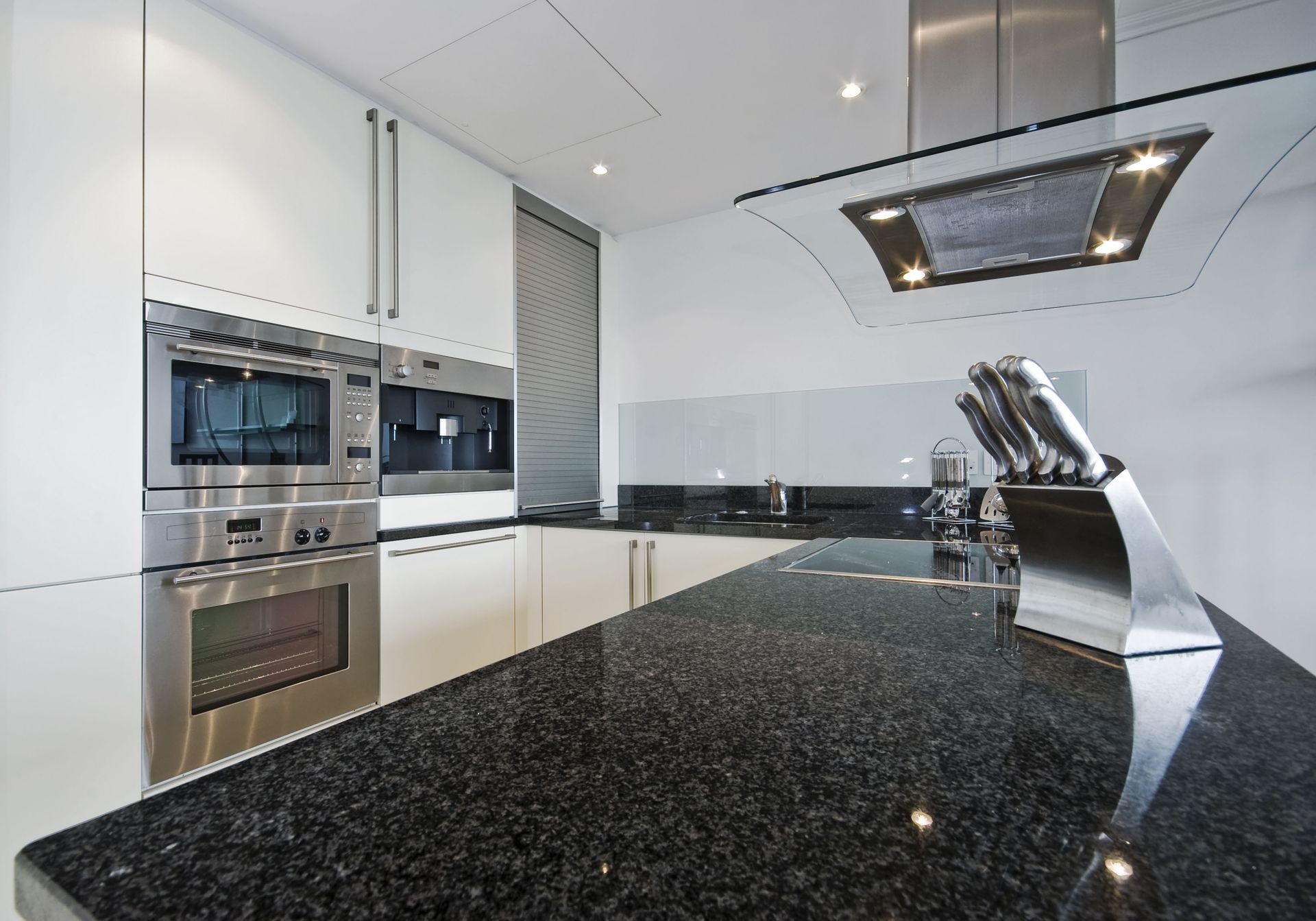
Choosing between engineered quartz and organic rock countertops depends entirely on your personal priorities regarding maintenance, heat tolerance, and aesthetic preferences. Non-porous engineered surfaces excel in stain resistance, hygienic safety, and pattern consistency, making them ideal for modern, low-maintenance living environments. Conversely, quarried rock slabs offer unmatched natural beauty, incredible heat resistance, and unique organic character that elevates traditional or luxury kitchen spaces. Evaluating how each material performs under daily cooking demands ensures your investment provides lasting satisfaction for many years ahead. Careful consideration of durability, upkeep requirements, and budget constraints guarantees you select the ideal surface for your home. If you are considering having natural stone countertops installed in your home around the Medford, OR area, the team at Hard Rock Tops has you covered! Call today for more service information.
Share On: